
Navigating towards a secure and sustainable future
logo
Mistra Geopolitics
logo
  • About
    • Programme
    • Team
    • Board
    • Partners
    • Stakeholders
  • Geopolitics
    • Background
    • Challenges
  • Research Themes
    • Food security
    • Sustainable Oceans
    • Decarbonization
    • Foresight
  • Our research
    • Publications
    • Research overview
    • Researchers
    • Research School
    • Annual reports
      • Final report 2025
      • 2022
      • 2021
      • 2020
      • 2019
      • 2018
      • 2017
  • Latest
    • News
    • Podcast
    • Events
    • Videos
  • Contact
News
An opportunity or a concern: understanding AI in sustainability
October 10, 2023 by ylva.rylander in News

A recent study led by Professor Björn-Ola Linnér and Marie Francisco sheds light on how the EU, UN and World Economic Forum perceive AI. The research explores AI’s various applications and the accompanying potential risks and benefits.

AI can serve as a robust tool for swift and informed decision making. Its versatile uses span from monitoring weather patterns in real-time to predicting energy consumption and CO2 emissions. While AI offers solutions to challenges like disease outbreaks and climate shifts, it is crucial to consider potential downsides.

From the perspectives of the UN, EU and World Economic Forum, AI applications can be used to make quicker, more informed decisions. This includes real-time monitoring of weather and climate events, as well as predicting future energy consumption and carbon dioxide emissions.”

– Marie Fransisco, lead author from Linköping University and active in Mistra Geopolitics.

AI’s role in boosting sustainability

The study shows that the UN, EU and World Economic Forum favour a flexible attitude towards embracing innovation. AI stands out with its ability to enhance energy efficiency, especially within data centres and computing systems. This perspective finds strong support from the EU, while the World Economic Forum emphasizes certifications centred on AI’s designprinciples.

AI’s diverse applications include:

1. Strengthened data collection and analysis, enabling broader knowledge, scientific breakthroughs and better-informed decisions.

2. Advanced automation across sectors like transportation and industry.

3. Improved efficiency in areas like individual consumption, energy and resourcesutilization, Potential for greater equality and poverty alleviation.

4. Potential for greater equality and poverty alleviation.

ChatGPT user. Photo: Mojahid Mottakin / Unsplash.

According to our study, the EU, UN, and World Economic Forum see AI as a tool for sustainability and an object of governance. Ideas about how to use AI for sustainability governance and progress correlates to ecological modernisation.”

– Björn-Ola Linnér, Professor at Linköping University.

Potential pitfalls: from energy use to inherent bias

Despite AI’s advancements in energy efficiency, EU documents voice concerns about possible hikes in energy consumption and resultant carbon emissions.

There is also growing sentiment about the absence of comprehensive AI regulations. This gap might hinder AI’s ethical development, particularly regarding data security and individual privacy.

Furthermore, unnoticed biases in AI systems couldinadvertently lead to discrimination and social inequities.

Working together to maximize AI’s potential

The study emphasizes that collaboration should remain a cornerstone of AI’s responsible development. The amalgamation of insights from scientists, policymakers, businesses and the public is essential. This collective approach can foster knowledgeexchange, minimize biases and ensure that AI’s benefits are accessible to all.

Furthermore, as AI emerges as a source of new employment opportunities, it is imperative to ensure broad participation, especially from women and girls. The researchers advocate for an enhanced emphasis on AItraining and development initiatives, particularly in lower income countries, to underpin equality and social justice.

Mistra Geopolitic’s researchers
Linköping University

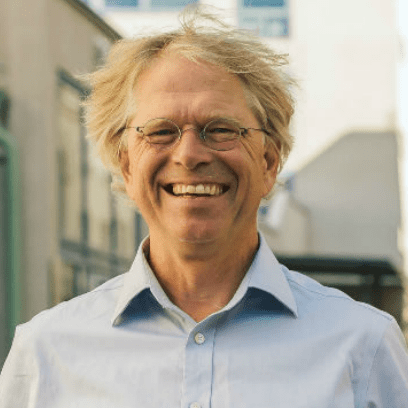
Professor Björn-Ola Linnér

PhD student

Marie Francisco

Linköping University

Professor Björn-Ola Linnér

Björn-Ola Linnér is the Deputy Programme Director of Mistra Geopolitics and Professor at the Centre for Climate Science and Policy Research at Linköping University. He analyses how the political processes and actors affect conditions for social changes towards sustainable development in different parts of the world. He has a long experience in research dialogues with various societal actors, such as the climate convention’s secretariat, governments, businesses and environmental organizations.

PhD student

Marie Francisco

Marie Francisco has been a PhD Student at Linköping University since December 2020. Her research is part of work package 4 of Mistra Geopolitics phase II, which aims to assess the potential of new technologies in reshaping geopolitics. She is currently working on examining how artificial intelligence is made sense of as a tool for environmental governance by different actors involved in global environmental governance, with focus on states and international organisations.

Björn-Ola Linnér & Marie Fransisco

News story written by Ana Calvo, edited by Oliver Garner and Ylva Rylander.

Read publication

Foresight capabilities and emerging technologies

This research is performed within Mistra Geopolitics research theme “Foresight capabilities and emerging technologies“.


Sing up to Newsletter
ylva.rylander

Latest news

  • New handbook on the Geopolitics of Sustainability March 23, 2026
  • The Nordic region: a geopolitical and environmental hotspot January 27, 2026
  • Mistra Geopolitics Director and researchers among Sweden’s top scholars December 22, 2025
  • EU climate diplomacy and the geopolitics of the Anthropocene November 6, 2025
  • Challenges and opportunities for a globally inclusive and fair energy transition October 23, 2025
  • International SDG-model applied to Sweden by Mistra Geopolitics September 26, 2025
  • The Nordic countries’ approach to the circular economy of metals May 1, 2025
  • Mistra Geopolitics contributes to Mistra’s 30-year celebration in Brussels April 8, 2025
  • Navigating critical mineral sustainability, security and competitiveness April 2, 2025
  • Explore the geopolitics of sustainability with key experts March 31, 2025
logo
© Mistra Geopolitics 2026
logo

We are using cookies to give you the best experience on our website. You can find out more about which cookies we are using or switch them off in .

Contact us Mistra Geopolitics
Powered by  GDPR Cookie Compliance
Privacy Overview

This website uses cookies so that we can provide you with the best user experience possible. Cookie information is stored in your browser and performs functions such as recognising you when you return to our website and helping our team to understand which sections of the website you find most interesting and useful.

Strictly Necessary Cookies

Strictly Necessary Cookie should be enabled at all times so that we can save your preferences for cookie settings. They are usually only set in response to actions made by you which amount to a request for services, such as setting your privacy preferences, logging in or filling in forms. You can set your browser to block or alert you about these cookies, but some parts of the site will not then work. These cookies do not store any personally identifiable information.

3rd Party Cookies

This website uses Google Analytics to collect anonymous information such as the number of visitors to the site, and the most popular pages.

Keeping this cookie enabled helps us to improve our website.

Cookie Policy

More information about Cookie Policy